Only two of the world’s major economic blocks appear to have cyclical autonomy - China and the United States. For many decades now, Japan’s ability to stimulate domestic demand has been trivial relative to cycl...
Three validity claims
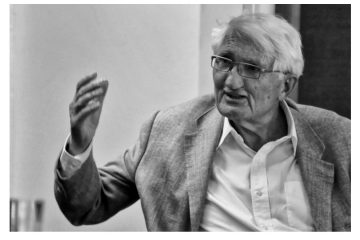
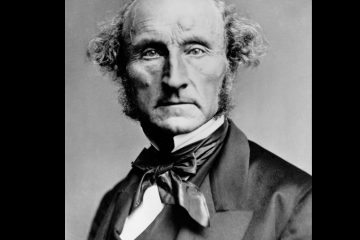
The German social scientist, Jürgen Habermas, has just turned ninety. It is an odd reflection on our times that he is not renowned. In an age of academic specialisation this may reflect o...
The future of monetary policy - Dual interest rates
The significance of dual interest rates remains under-appreciated. The European Central Bank, Bank of Japan, and the Bank of England’s facilities are by fa...
Eurozone growth has stalled and inflation is below the ECB’s definition of price stability. As the recent actions of ECB make clear, further monetary easing is necessary for the ECB to fulfil its mandate.
Un...
The crux of the MMT debate
This recent article by Stephanie Kelton is crystal clear and reveals the crux of the ‘MMT debate’. It’s all about central bank independence.
Also listen to this INET interview wi...
We need a modern monetary policy (MMP). Policy needs redesigning for three fundamental reasons:
Firstly, the mental models for thinking about how the macro-economy in the developed world works have been brok...
Economists pay insufficient attention to asset prices. Ask most economists what the relevance of the bond equity correlation is for fiscal policy and they will be baffled. You’ll be lucky if they know what you’...
The debate over Brexit has been dominated by propaganda. To date, I have had sympathy with the one ethical argument, which has been made most effectively by Mehreen Khan, for leaving the EU. It is shared by man...