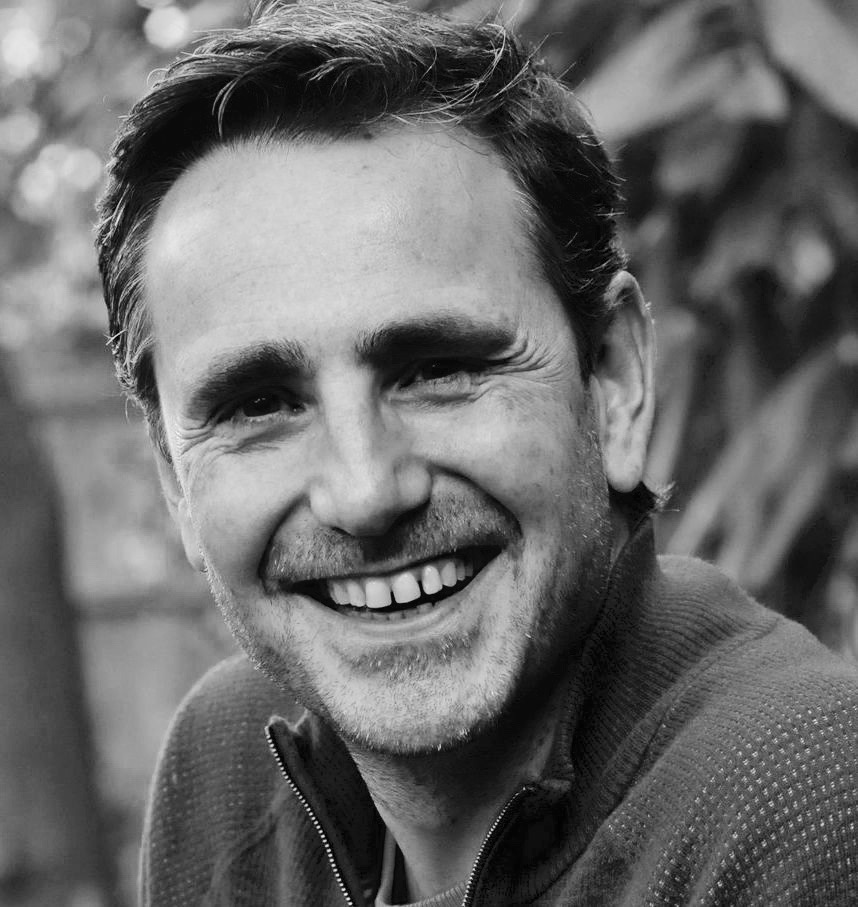

Eric Lonergan is a macro hedge fund manager, economist, and writer. His most recent book is Supercharge Me, co-authored with Corinne Sawers. He is also author of the international bestseller, Angrynomics, co-written with Mark Blyth, and published by Agenda. It was listed on the Financial Times must reads for Summer 2020. Prior to Angrynomics, he has written Money (2nd ed) published by Routledge. He has written for Foreign Affairs, The Financial Times, and The Economist. He also advises governments and policymakers. He first advocated expanding the tools of central banks to including cash transfers to households in the Financial Times in 2002. In December 2008, he advocated the policy as the most efficient way out of recession post-financial crisis, contributing to a growing debate over the need for ‘helicopter money’.
To borrow a disparaging phrase from Paul Krugman, the concept of 'permanence' in economics seems “to have a special ability to create intellectual confusion, even in smart people.”
Personally, I don't reall...
Oddly, some economists think that helicopter drops are either beyond the capacity of central banks or highly unlikely. Neither is true - they have already started.
It is now clear that the Bank of Japan is e...
Helicopter drops in the Eurozone may be a legal obligation of the European Central Bank (ECB).
The laws governing the ECB are extremely clear, and repeat three features which policy must comply with:
1. T...
So far, the debate on negative interest rates completely misses the point. If the private sector could borrow at long maturities at negative interest rates, banks could be profitable, and savers didn't experien...
David Hume is the first great thinker to identify language, law and money as 'spontaneous' institutions of social organisation. Hume was on to something quite profound, which remains under-appreciated.
Langu...
L. Randall Wray is exercised by my suggestion that he has engaged in semantic sleight-of-hand. To summarise my argument: it is an obvious fact that a ten dollar bill is not a debt - because the issuer owes the...
A number of my recent posts seem to have wound up some of the more sensitive ‘mainstream’ economists, who don't like the suggestion that the likes of Minsky deserve their own 'school’. Some philosophers of sc...
“Experience has shown that Mother Nature is eclectic”
- Paul Samuelson
This recent blog on the merits of eclecticism in macroeconomics seems to have resonated. It follows a theme Dani Rodrik has advocate...
The debate between Larry Summers, Brad DeLong and Paul Krugman over models and confidence is summarised excellently by Martin Sandbu. On one point, Krugman is absolutely right: there was never any reason to be ...
Most macroeconomists have a mental model of how the economy works. I think there are five relevant mental frameworks:
Keynesian. This is the approach that most people are taught in high school and un...